
Responsible Birdwatching in the UK: Ethics, Disturbance and the Law
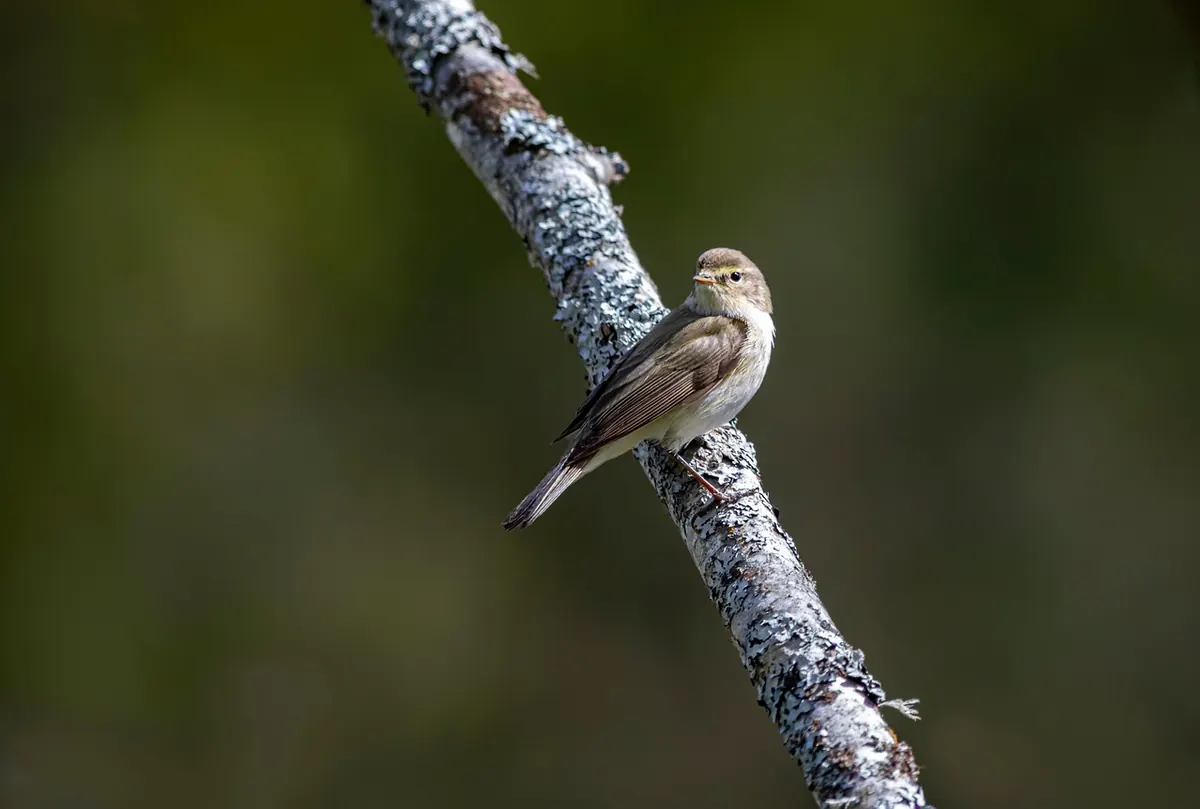
A blackbird will usually tell you when you are too close. It will stop feeding, cock its head, and slip into a hedge with a sharp, anxious call. That small moment is the heart of responsible birdwatching: noticing the bird's response and changing what you do. The UK's birds already face pressure from habitat loss, weather and predators without well-meaning watchers adding to it. Good fieldcraft is not about rules for their own sake. It is how we keep birds safe, nests undisturbed and the hobby enjoyable for everyone.
Why Disturbance Matters
Disturbance is not always dramatic. A bird flushed from a nest may return within minutes, or it may not. Eggs can chill. Chicks can be exposed to predators. A parent may abandon a site after repeated interruptions. In winter, disturbing a flock on an estuary can burn energy that birds need to survive cold nights. The effects add up, especially when many people visit the same place. The best birdwatchers are often the least noticeable: they watch from a distance, use optics, and let the bird decide how close it wants to be.
The Legal Basics
UK wildlife law is built around protection. The Wildlife and Countryside Act 1981, together with equivalent legislation in Northern Ireland, protects wild birds, their nests and their eggs. In broad terms:
- It is an offence to intentionally kill, injure or take a wild bird.
- It is an offence to take, damage or destroy the nest of a wild bird while it is in use or being built.
- It is an offence to take or destroy the egg of a wild bird.
Some species listed on Schedule 1 receive extra protection. For these birds, it is an offence to intentionally or recklessly disturb them while they are building a nest or at a nest containing eggs or young. The exact wording and enforcement differ across England, Wales, Scotland and Northern Ireland, so check current guidance from the relevant statutory nature conservation body. This is general information, not legal advice. If your plans involve a licence, a protected site or a Schedule 1 species, seek advice from the relevant agency before you go.
Nesting Season: Read the Signs
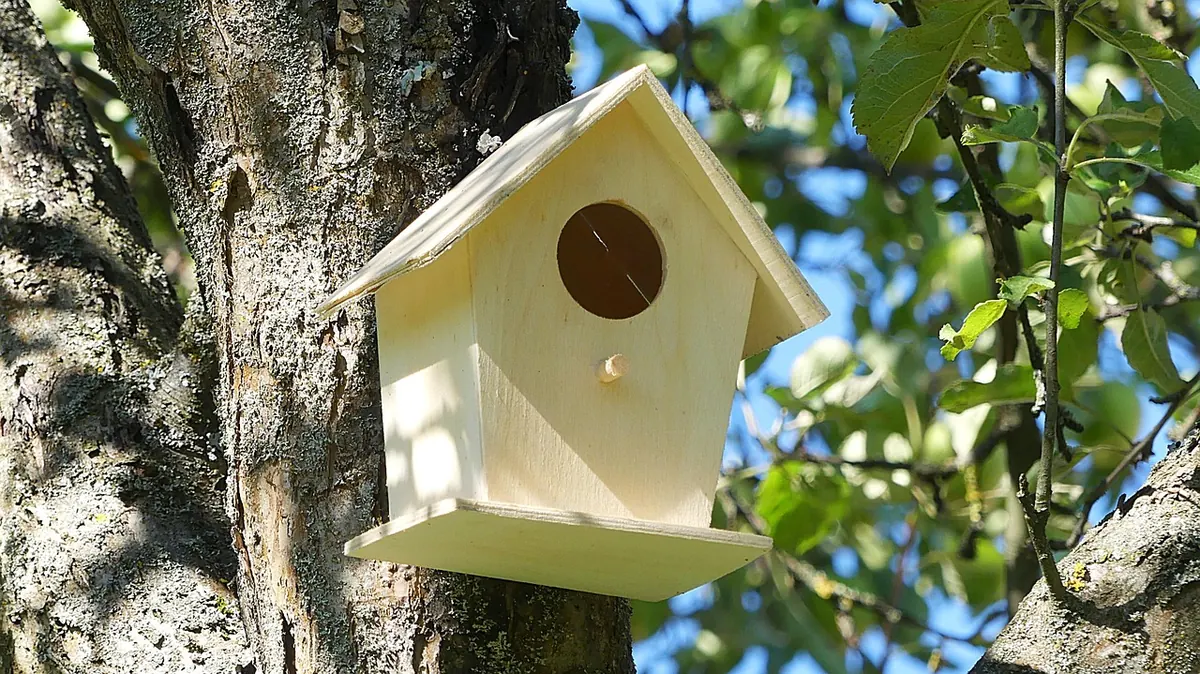
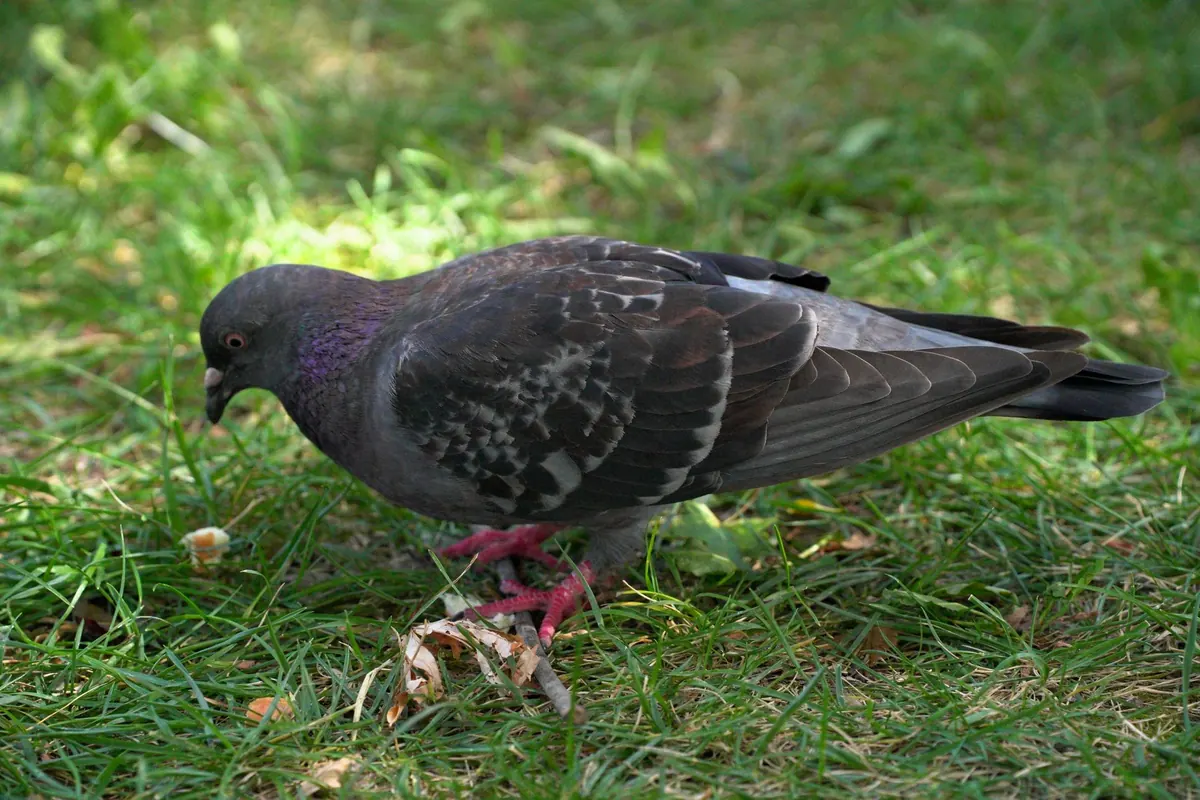
Most UK birds nest between March and August, but some start in February and others finish in September. Pigeons and some garden birds can nest almost year-round. That means a hedge, ivy clump, tree cavity or patch of brambles may be a nursery even when it looks empty. Before cutting vegetation, check carefully. If you find an active nest, stop and leave it alone. The same applies to photography, pruning or checking a nest box.
Watch for these signs that you are too close:
- alarm calls, especially repeated ticking or chipping
- a bird flushing from a nest, ledge or ground scrape
- parent birds mobbing you or diving at your head
- a bird feigning a broken wing to draw you away
- chicks scattering, freezing or calling in distress
- adults staying away from the nest while you are visible
If you see any of these, back off quietly and give the bird space. Do not stay to see what happens. A quick retreat is better than a perfect view.
Protected Sites and Shared Spaces
Many of the best birdwatching sites in the UK are legally protected. SSSIs, Special Protection Areas, Special Areas of Conservation, National Nature Reserves and local nature reserves often have bylaws or seasonal restrictions. These protect nesting colonies, roosts, feeding areas and fragile habitats. Stay on marked paths. Follow temporary closures. Keep dogs on leads where signs ask you to. Leave gates as you find them. Take litter home, including fruit peel and bait. Drones are often prohibited or tightly controlled on protected sites; even where they are allowed, they can cause serious disturbance to birds. If a warden or volunteer asks you to move, do so without argument. They know the site and its wildlife better than any visitor.
Photography Without Pressure
Photography can celebrate birds and build support for conservation. It can also push birds too far. A long lens and a hide reduce disturbance, but they do not remove it. The bird's behaviour is the best guide. If it is looking at you, calling, or delaying a return to the nest, you are too close. For Schedule 1 species, photographing at or near a nest may require a licence. The fact that you are only taking a picture is not a defence. Avoid baiting with live food, using playback at nest sites, or trimming vegetation for a clearer shot. Never handle chicks or eggs unless you are acting under professional guidance. Keep flash off around nesting birds and roosts. Think twice before posting a geotagged photo of a rare nesting bird. The image can be beautiful; the location can be dangerous.
Sensitive Species and Sharing Information
Some birds are vulnerable to disturbance or persecution. Rare breeding waders, raptors, owls and colonial seabirds are obvious examples. Sharing exact nest locations online can lead to egg collectors, photographers crowding a site, or deliberate harm. Use discretion. Share general area names only with people you trust, or report records through a recognised recording scheme that can restrict access to sensitive data. If you are unsure whether a record is sensitive, ask the county bird recorder or site warden before posting. The same goes for live streams, trail camera footage and social media posts that reveal a nest site. A little restraint protects the birds and keeps the site safe for future visits.
A Short Field Checklist
Before you head out, run through this simple list:
- Check the site's rules, opening times and any seasonal closures.
- Pack binoculars or a scope so you do not need to approach.
- Plan to keep your distance. If a bird reacts, move away.
- Keep quiet, move slowly, and avoid blocking a bird's route to nest or water.
- Keep dogs under close control and on a lead where required.
- Do not share precise locations of sensitive species or nests.
- Report injured birds or suspected wildlife crime to the site warden or relevant agency.
- If you are unsure, err on the side of caution and seek advice.
Responsible birdwatching is not about being perfect. It is about paying attention and putting the bird first. Do that, and you will see more, disturb less, and help keep the UK's birds safe for years to come.
Photo: Erik_Karits / Pixabay