
A Month-by-Month Guide to Helping Birds in Your Garden
Birds do not consult a calendar, but their year runs to a rhythm you can plan around. A blue tit prospecting a nest box in February, a family of starlings rowing over a fat ball in June, a blackbird stripping the last rowan berries in November — each of those moments asks something slightly different of you. Get the timing right and even a modest garden can support a surprising amount of life. Get it wrong and you can do real harm: feeding the wrong food at the wrong time, or cutting a hedge with eggs inside it.
What follows is a working calendar for a UK garden. Treat it as a set of prompts rather than a rulebook, and adapt it to whatever you actually see from your window.
January and February: See Them Through the Cold
When the ground freezes solid, natural food vanishes and birds burn energy fast just staying warm. This is the stretch where high-fat food earns its keep: suet balls and blocks, sunflower hearts, nyjer, peanut granules and mealworms. Avoid anything salted, roasted or mouldy, and never put out cooking fat from the roasting tin — it smears feathers and ruins their insulation.
Water matters as much as food. Birds need to drink and to bathe so their plumage stays in condition, and a frozen birdbath is no use to anyone. Keep a shallow dish topped up, break the ice each morning, and refill with a little warm water. Never add antifreeze or salt.
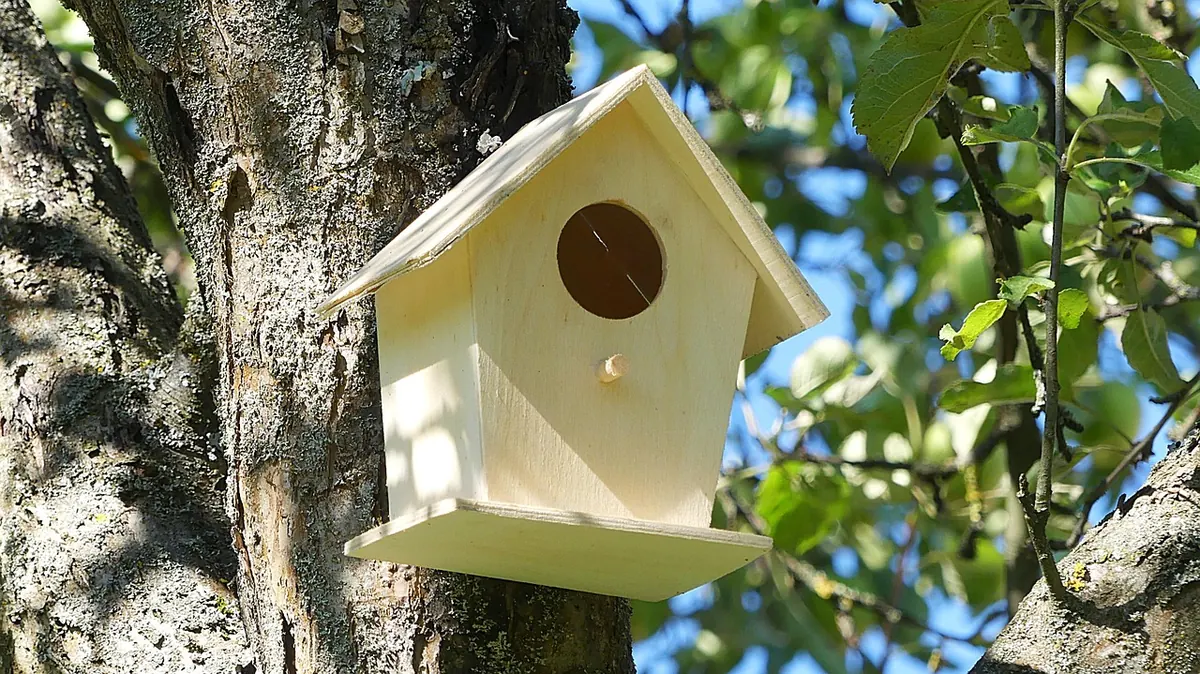
Late winter is also the moment to deal with nest boxes — but check before you open one. Several birds may be huddled inside for warmth. If it is occupied, leave it alone until spring. If it is empty, remove the old nest, scrub the box with hot water only, let it dry thoroughly and check the fixings.
Feeders need cleaning more often than most of us manage. Hot soapy water, a good rinse, dry before refilling. Rotating feeders so one stands empty for a few days is a simple habit that interrupts the spread of disease.
March to May: The Nesting Months
Demand switches from fat to protein. Growing chicks need insects, so live mealworms, soaked dried mealworms and peanut granules come into their own. Loose whole peanuts are best avoided during the breeding season — a chick can choke on one. Use a mesh feeder or granules instead.
Nest boxes and nesting material
Boxes should be up by early March at the latest. Face them between north and east so they avoid the hottest sun and the wettest winds, fix them two to four metres up, and tilt them slightly forward. Skip the perch — it only helps predators. A hole of roughly 25mm suits blue and coal tits; 28–32mm suits great tits and sparrows. A metal plate around the entrance keeps squirrels and woodpeckers from enlarging it.
Leave out dry moss, short lengths of wool, pet hair and dry grass in a wire basket. Avoid long human hair, which tangles around legs, and avoid plastic and tumble-dryer lint.
What to leave alone
- Hedges and trees: check carefully before any cutting between March and August. It is an offence to take, damage or destroy an active nest, so if birds are nesting, wait.
- Fledglings on the ground: they are usually fine. The parents are nearby and feeding them. Only intervene if the bird is injured or in immediate danger.
- Cats: a bell helps a little, keeping them in at dawn helps a lot, and feeders placed near thorny cover give birds somewhere to escape.
- Nests you find: look, enjoy, do not touch.
June and July: Fledglings, Feeders and Hygiene
Warm weather turns feeders into a risk. Wet food spoils within hours, so put out small amounts of mealworms and clear away anything left at the end of the day. If you see birds looking fluffed, dull-eyed or lethargic, with a swollen or matted face, take every feeder down, clean them thoroughly, and leave them empty for a fortnight before starting again. Space feeders out rather than crowding them, and avoid placing a bird table directly beneath hanging feeders where droppings fall.
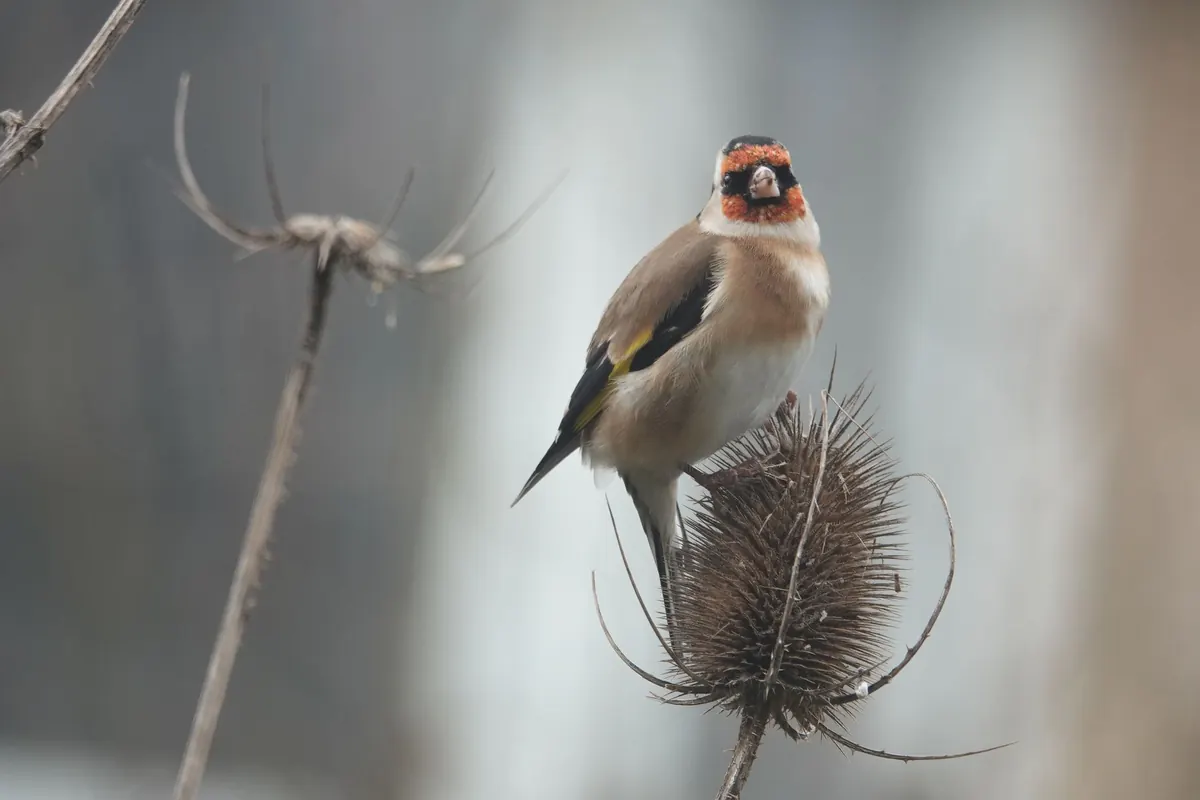
This is also the month to be a little lazy in the garden. Leave seedheads standing for goldfinches, let a patch of grass grow long, and hold back on the weedkiller around dandelions and clover. A shallow dish with a stone in it gives insects and birds somewhere safe to drink.
August to October: Plant for the Winter Ahead
Autumn is the best planting season of the year, and berrying shrubs are the single most useful thing you can add to a garden. Aim for a mix that fruits at different times:
- Ivy — flowers late for insects, berries ripen in late winter when little else is available.
- Hawthorn and rowan — reliable, tough and generous.
- Holly — you will need both a male and a female plant for berries.
- Honeysuckle and guelder rose — good cover as well as fruit.
- Crab apple — small, attractive, and useful for thrushes.
Resist the urge to cut everything back. Leaf litter feeds insects, a log pile shelters them, and hollow stems make winter beds. Clean and repair nest boxes now, and give feeders a deep clean before the cold arrives.
November and December: Feeding Stations and Unfrozen Water
Set up a varied feeding station rather than a single feeder: sunflower hearts, nyjer, peanut granules, suet, a general seed mix, and halved apples or pears on the ground for blackbirds and thrushes. Position feeders near cover but with a clear flight path, and move them if a sparrowhawk starts using the area as a larder — the hawk is part of the picture, but you need not make it easy.
Consistency counts for more than quantity. Birds learn where food is, so a reliable supply through a cold snap is worth more than an occasional glut. If you are going away, ask a neighbour to top up.
And then there is water, the thing most of us forget. In freezing weather birds need to bathe to keep their feathers working properly, and open water can be scarce for miles. Check twice a day, replace the ice with warm water, and keep the dish shallow with sloping sides. A roost box with the entrance low down, or a dense evergreen, gives small birds somewhere to spend the night.
The Habits That Matter All Year
Clean feeders and water regularly, keep a shallow dish available in every month, and keep cats indoors at the hours when birds are most vulnerable. Keep a notebook of what you see and when — patterns emerge quickly, and your own records will tell you more about your garden than any general guide.
If you find an injured bird, contact a wildlife rescue centre or your vet for advice rather than trying to treat it yourself. If you must handle it, keep it dark, quiet and warm in a ventilated box while you make the call.
Above all, watch. The best guide to what your garden needs next is whatever is already living in it.
Photo: Patrick Droog / Pexels