
Common Mistakes in Bird Feeding: 10 Habits That Harm Garden Birds
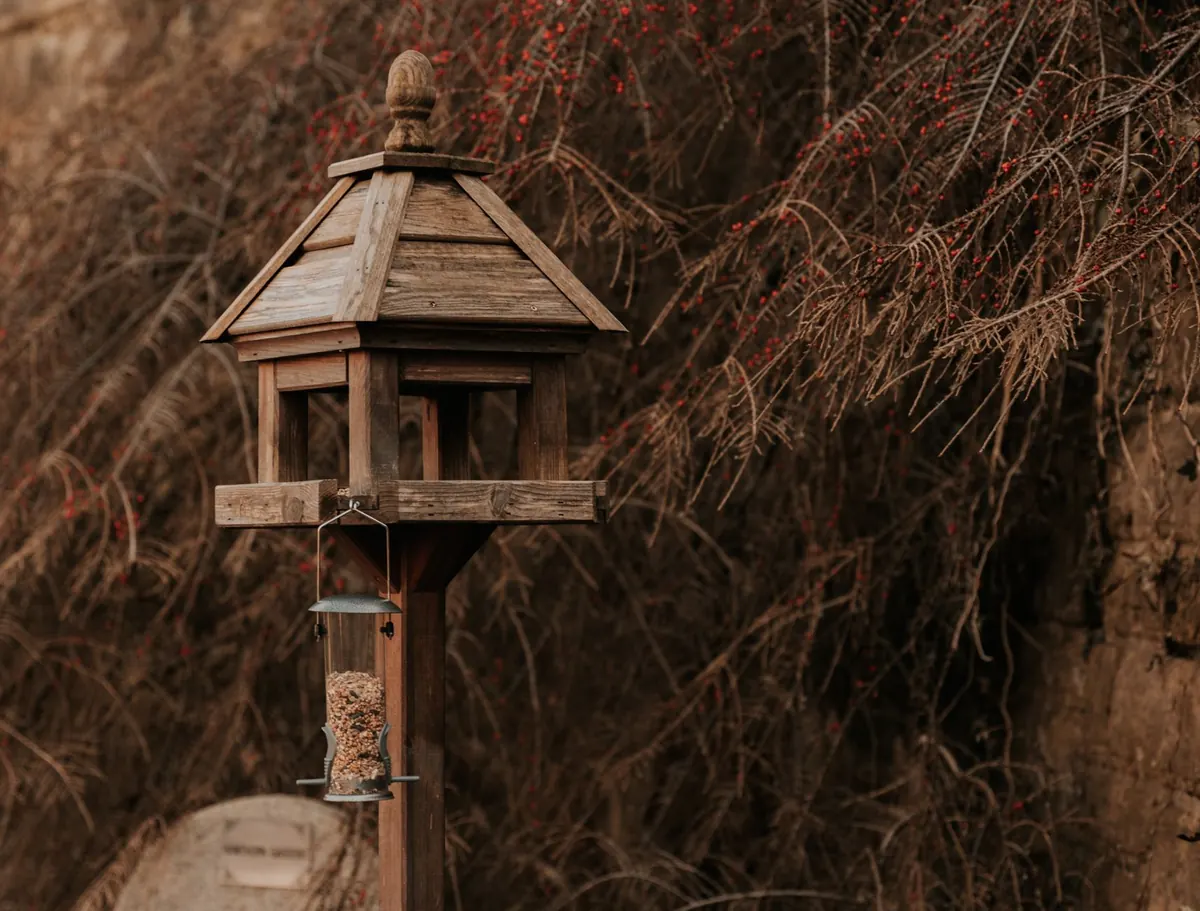
Feeding garden birds is one of the quietest pleasures a British garden offers. A handful of sunflower hearts on a frosty morning can bring in a dozen species before breakfast, and a well-kept feeder does real good for birds whose natural food is squeezed by habitat loss and hard weather. But a feeder is not a set-and-forget piece of kit. The mistakes below are common, almost always well-intentioned, and quietly damaging. They spread disease, waste money and, in the worst cases, harm the very birds we are trying to help. None of them takes long to put right.
Damp Food and the Mould Problem
Seed left in a feeder through a wet week does not stay wholesome for long. It clumps, it smells sour, and a grey or black fuzz appears in the corners the birds cannot reach. Peanuts are the biggest worry: stale, mouldy nuts can carry toxins that do lasting damage, and birds will often eat them anyway.
Topping up over old food is the single most common error, because the fresh layer hides what is underneath. Get into the habit of emptying a feeder completely before refilling it. If the food is damp, bin it rather than tipping it onto the lawn, where it will simply go mouldy in the grass and attract rats.
A few small changes keep food fresher for longer:
- Choose feeders with drainage holes and a decent roof, and hang them where rain does not blow straight in.
- Put out smaller amounts in wet or mild weather, and refill more often.
- Buy peanuts and seed from a supplier that sells food fit for wild birds, and check the date on the bag.
- Store food in a cool, dry, airtight container. Large sacks go stale long before they are finished.
Dirty Feeders and Stale Water
A feeder is a communal dining table, and the birds at it are in close contact with one another. Whatever the last visitor was carrying can end up on the perches, the ports and the seed itself. Finch trichomonosis and other infections spread readily at crowded, unwashed feeding stations, which is why hygiene matters as much as the food you choose.
A cleaning rhythm that works
Once a week is a sensible baseline, and more often in mild, damp spells or if you notice sick birds. Dismantle the feeder, scrub every part with hot soapy water and a bottle brush, rinse thoroughly, then let it dry completely before refilling. If you use a disinfectant, make sure it is one intended for bird feeders and follow the instructions exactly. Wash your hands afterwards, and keep a spare feeder on rotation so you are never tempted to refill a wet one.
The bird bath counts too
Water is just as important as food, and just as easy to neglect. Empty and scrub the bath every few days in warm weather, and top it up daily. A bath that has gone green, or one full of rotting leaves, is worse than no bath at all.
Scraps That Do More Harm Than Good
Kitchen scraps can be useful, but only a narrow range of them. Bread is the classic offender: it fills birds up without giving them much, and wet bread goes mouldy fast. A little stale wholemeal in very small quantities is not a disaster, but it should never become the main offering.
Avoid putting out:
- Salted food of any kind, including bacon rind, salted nuts and crisps.
- Cooked fats and roasting juices, which can smear feathers, turn rancid and carry salt.
- Milk, which most garden birds cannot digest properly. Fresh water is the right drink.
- Mouldy cheese, bread or fruit, however small the patch.
What works instead is plain and unsalted: sunflower hearts, nyjer, good-quality seed mixes, suet pellets made for birds, mealworms, mild grated cheese, and fruit such as apple or soaked raisins. If you would not happily eat it yourself, think twice before putting it out.
Placement: Windows, Wind and Cover
Where a feeder hangs matters more than most people realise. Birds leaving a feeder build up speed, and glass reflects the sky and trees behind it. Feeders hung within about a metre of a window are usually safe, because birds cannot gather much momentum in that distance. So are those placed well out in the garden, three metres or more away, where birds have room to see the glass and change course. The dangerous zone is the space in between.
Shelter and cover matter too. A feeder in the teeth of the prevailing wind will be avoided, and one with no shrubs or trees nearby leaves birds exposed while they wait their turn. Give them somewhere to retreat to within a few metres, but not so dense that a cat can sit unseen right beside the food. Finally, hang feeders where droppings will not land on a patio table, a washing line or a path children use.
Predators, Pests and the Ground Zone
Cats are the most common threat, and they hunt best from cover. Keep feeders away from low, dense bushes that a cat can crouch behind, and consider a thorny shrub such as hawthorn or holly nearby instead, which gives small birds a safe perch.
Sparrowhawks are a different matter. They are wild birds doing what they do, and a garden with a hawk in it is not a failing garden. You can still avoid making life too easy for them by keeping feeders close to decent cover rather than out in the open, so birds have somewhere to dash.
Rats, mice and squirrels follow spilled food. Clear the ground beneath feeders each evening, use a seed tray or a catch tray, and take feeders in at night if rats are already a problem. Store food in metal or sturdy plastic bins, not in a shed sack.
Crowding and Disease
More feeders is not always better. Packing several into one small corner concentrates birds, droppings and infection in a single spot, and encourages squabbling. Spread stations around the garden, offer different foods in different places, and clean them all on the same day so you do not simply move the problem along.
If you see birds that look fluffed up, sluggish or unwilling to fly, or with food stuck around the beak, act quickly. Take the feeders down, clean and dry them thoroughly, and leave them down for a fortnight or so before starting again. Where disease is suspected, it is worth checking the current guidance from a wildlife or bird charity before you resume feeding.
A Simple Weekly Routine
Good bird feeding comes down to a short, repeatable routine rather than any single piece of equipment.
- Empty and clean every feeder once a week, and dry it fully.
- Bin any food that is damp, clumped or mouldy, and never top up over old seed.
- Scrub the bird bath and refill it with fresh water.
- Sweep or rake up spillage underneath the feeders.
- Check the store cupboard: old seed and stale peanuts go out with the rubbish.
- Look at your birds for a minute or two. Sick or unusually tame birds are the earliest sign that something needs attention.
Do those few things and your garden becomes something better than a free canteen. It becomes a place where birds can feed safely, in clean conditions, with somewhere to shelter when the weather turns. That is what makes a real difference.
Photo: Radu Daniel ( MRD ) / Pexels