
Comparing Bird Feeders: Seed, Suet, Nyjer and Peanut Options for UK Gardens
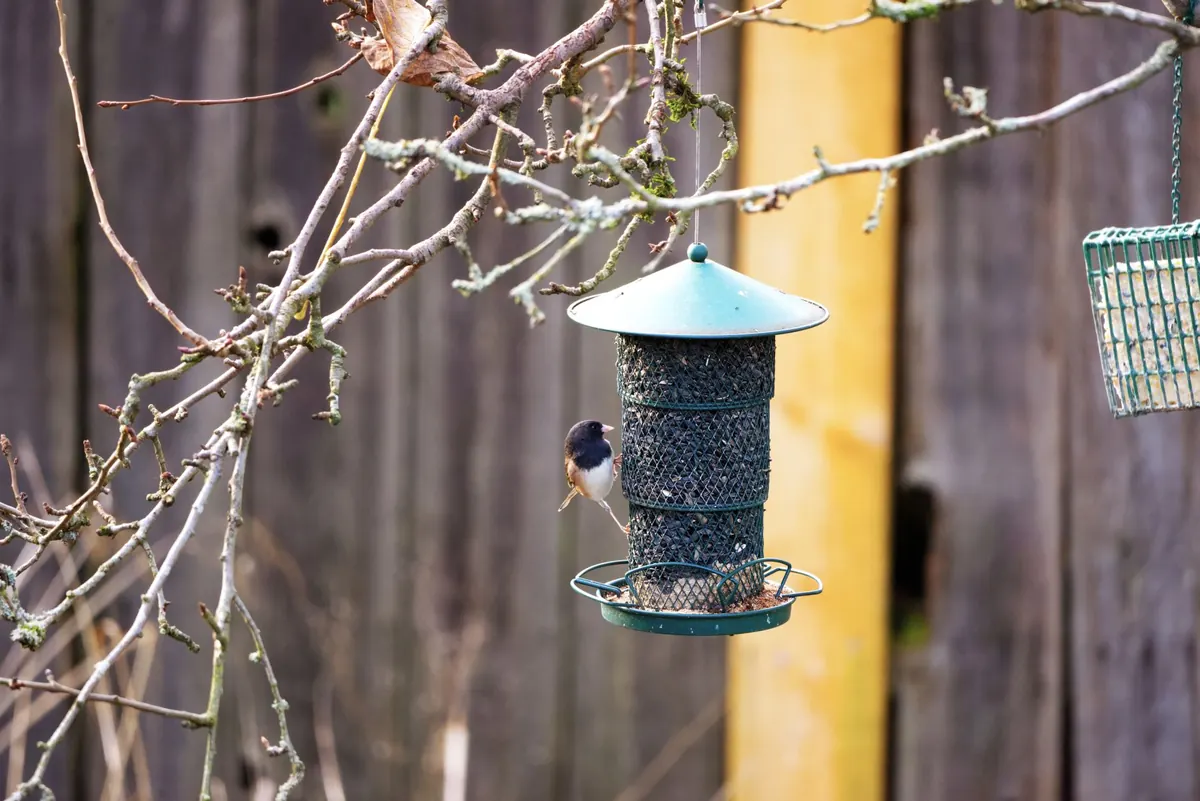
A feeder in a bare January garden is one of the cheeriest things you can hang. But the feeder itself matters as much as what goes inside it. Match the right food to the right design and you will attract more species, drop less mess on the patio and keep your visiting birds healthier. Get the pairing wrong and you will be sweeping mouldy seed off the lawn while the goldfinches feed somewhere else entirely.
Start With the Beak You Want to Feed
Garden birds do not all eat the same way. Tits and siskins are acrobats: they want to hang, cling and snatch a single item before flying off to a branch to eat it. Finches and sparrows are happier perched and pecking steadily. Robins, dunnocks and blackbirds are ground feeders, and no hanging feeder will ever satisfy them.
Two other factors matter just as much. Waste and hygiene. A feeder that lets rain in, or that holds food the local birds will not eat, becomes a damp heap within a fortnight. Choose for the birds first, then for how easy the thing is to empty, scrub and dry.
Seed Feeders: the Everyday Workhorse
Hopper feeders, hanging tubes and open trays all fall into this group, and they will serve the broadest range of visitors. The food you put in matters far more than the container.
Cheap mixed seed is the single biggest source of garden waste. Much of it is wheat, barley and red dari, which most garden birds simply pick out and flick onto the ground, where it sprouts or goes sour. Two better options:
- Sunflower hearts — no husks, no mess, eaten by almost everything from blue tits to greenfinches.
- A "no-grow" or husk-free mix — blended for UK garden species rather than sold by weight.
Tray feeders with a roof and drainage holes suit ground-feeding species if you mount them low, and they let you see exactly how much is being eaten. Empty and sweep underneath them often; spilt seed under a feeder is where disease spreads fastest.
Suet, Fat Balls and Cakes
Fat is pure energy, which is why it disappears so quickly on a cold morning. Expect great spotted woodpeckers, nuthatches, long-tailed tits, starlings and house sparrows. Cages and blocks are generally better than loose balls: birds can cling to the mesh, and the food stays off the ground.
Two rules worth keeping. First, take the nylon net off shop-bought fat balls before hanging them — legs and tongues can become trapped, and the nets are a litter problem once the fat is gone. Second, be careful in warm weather. Soft fat can turn rancid and cling to feathers, so in summer use a formulation sold as suitable for year-round feeding, or switch to insect-based suet, and keep it in the shade.
Nyjer Feeders: Fine Seed, Fine Design
Nyjer is the finch specialist. Goldfinches, siskins and, if you are lucky, redpolls will travel for it. The seed is tiny and pours out of an ordinary feeder in seconds, so it needs a purpose-made tube with pinhole ports, or a fine-mesh sock.
Fill these in small amounts and top up often. Nyjer is generally sold heat-treated so it is unlikely to sprout, but it still clumps and moulds once damp, and a clogged sock is difficult to clean properly. Wash socks by hand, dry them thoroughly in the sun or on a radiator, and replace them when the mesh sags. Hanging nyjer a little away from busy mixed feeders gives the shyer finches a chance.
Peanut Feeders: High Energy, With a Caveat
Peanuts are rich in fat and protein and are taken eagerly by tits, woodpeckers, nuthatches and siskins. Use a rigid metal mesh or tube feeder with small ports, never an open tray.
Whole peanuts or granules?
During the breeding season, adult birds may carry whole peanuts to the nest, where they can choke a small chick. Peanut granules or chopped peanuts avoid that risk entirely, and they are easier for smaller birds to handle. Never offer salted, roasted or human-grade peanuts, and throw away any that look dull, shrivelled or smell musty — mouldy peanuts carry toxins that can seriously harm birds.
Avoid the soft nylon mesh bags sold for peanuts. Claws and beaks get caught in them, and they shred within a season.
Cleaning: the Part Nobody Enjoys
A feeder is a shared surface. Every bird that lands on a port leaves bacteria behind, and wet seed is an ideal medium for them. A simple routine does most of the work:
- Empty leftovers into the bin weekly — more often in wet or mild weather.
- Take feeders apart and scrub every crevice with hot soapy water and a bottle brush.
- Use a bird-safe disinfectant, following the dilution on the label, then rinse thoroughly.
- Dry completely before refilling. Sunlight and air are your friends here.
- Clear spilt husks and seed from underneath, and move feeders to a new spot every few months so the ground beneath can recover.
If you see a bird that looks unwell — fluffed up, slow, with food stuck around the beak — take every feeder and bird bath down, clean them, and leave them empty for around a fortnight before starting again.
Finch trichomonosis spreads through shared feeding and drinking points, and a temporary pause is the most effective thing a gardener can do. If you are unsure what you are looking at, your local wildlife trust or a wildlife helpline can advise.
A Workable Setup for a Small Garden
You do not need eight feeders. A good starting arrangement is one hanging sunflower-heart tube, one caged suet feeder, one small nyjer feeder and a ground tray kept well away from the house. Site them near a shrub or hedge so birds can dash for cover, but two or three metres from dense cover so cats cannot ambush from underneath, and not directly above a patio where droppings will land.
Rotate rather than stockpile. Half-full feeders that are emptied and cleaned weekly beat full ones that sit for a month. Do that, and you will spend less on seed, see a wider spread of species, and give your garden birds a genuinely useful hand through the hardest weeks of the year.
Photo: DANNIEL CORBIT / Pexels